
What Is Noise Nuisance? Statutory Nuisance and the Environmental Protection Act 1990
Noise nuisance is not determined by a single decibel limit or a fixed time when everyone must be quiet.
A sound can be irritating without meeting the legal test, while quieter noise may still become a potential nuisance. Timing, duration, frequency, character and the effect on the property all matter.
Under Part III of the Environmental Protection Act 1990, noise may amount to a statutory nuisance when it is prejudicial to health or constitutes a nuisance. In practical terms, government guidance describes this as noise that injures health or is likely to injure health, or that unreasonably and substantially interferes with the use or enjoyment of a home or other premises.
An acoustic consultant can investigate the sound, take measurements and provide an independent professional opinion for someone experiencing noise or for a person or business responding to a complaint.
When Can Noise Become a Statutory Nuisance?
There is no universal sound level above which noise automatically becomes a statutory nuisance.
The assessment depends on the circumstances. Relevant factors can include:
how loud the sound is
how long it continues
how often it happens
the time of day or night
whether it contains tones, bangs, impulses or other distinctive characteristics
the character of the surrounding area
the activities it interrupts
whether the source can reasonably be controlled
For example, a sound that may be acceptable for a short period during the daytime could have a very different effect if it continues repeatedly during the night.
Common complaints include amplified music, barking dogs, alarms, fixed mechanical plant, deliveries, workshop activity and noise from commercial premises. However, not every unwanted sound falls within the statutory-nuisance regime. General road traffic and aircraft noise are dealt with through other legal and policy frameworks.
How Councils Investigate Noise Complaints
Local authorities must investigate complaints about noise that could amount to a statutory nuisance. The process usually begins with gathering enough information to establish the source, pattern and effect before enforcement or an officer visit is considered.

Environmental noise survey being undertaken for a complex mixed-use urban development site, where multiple road traffic, commercial and building-related noise sources required detailed assessment and coordinated mitigation design.
The council will normally need enough information to assess:
what the source is
when the noise occurs
how frequently it happens
how long it lasts
how it affects the complainant’s property
whether the sound is likely to happen again
The investigation process varies between councils. It may include a noise diary, contact with the person or business complained about, visits by an environmental health officer, installation of monitoring equipment or a review of other supporting evidence.
Local administrative requirements should not be confused with the legal definition of statutory nuisance.
For example, Bristol City Council says that burglar and car alarms can be reported while they are sounding, unlike ordinary noise complaints that usually require evidence of a recurring problem. This wording may suggest that the council might respond while the alarm is still sounding, but it does not create an obligation to attend or investigate immediately. The report may be dealt with later, depending on officer availability and the council’s procedures.
Will the Council Attend at Night?
There is no general legal “quiet time” after which all noise becomes unlawful. Statutory nuisance can arise during the day or night, depending on the circumstances.
Councils may also use separate warning-notice powers for excessive noise from premises between 11pm and 7am. These powers can apply even where the council has not established a statutory nuisance.
The 11pm to 7am warning-notice power does not guarantee an immediate council response.
Service arrangements vary, so some councils offer limited evening or weekend cover while others record the complaint and investigate later.
A first report may lead to a diary request or further evidence rather than an overnight visit.
When Should You Consider an Independent Noise Investigation?
A council complaint is often the appropriate first step, particularly where the noise is recurring and the local authority can investigate it under the Environmental Protection Act.
An independent acoustic investigation is most useful when:
the council has not been able to witness the noise
the source is intermittent, disputed or difficult to identify
diary evidence alone has not resolved the matter
the council investigation has not resolved the issue, or further technical evidence is needed for legal advice or possible proceedings
a solicitor is considering action under Section 82 or private nuisance
a property owner or business disputes responsibility for the alleged noise
an abatement notice, formal warning or legal claim has been received
substantial mitigation, operating restrictions or expenditure are being proposed
The purpose of the investigation should be agreed before monitoring begins. A preliminary investigation intended to identify a source may require a different scope from evidence prepared for a solicitor, council or court.
What Happens If the Council Establishes a Statutory Nuisance?
If the local authority is satisfied that a statutory nuisance exists, has occurred and is likely to recur, or is likely to occur, it must normally serve an abatement notice.
For noise from premises, the council may delay serving the notice for up to seven days while it tries to persuade the responsible person to stop or restrict the noise.
An abatement notice may require the recipient to:
stop the nuisance
prevent it from recurring
restrict the activity to particular times
carry out works
take other specified steps within a stated period
Failure to comply with an abatement notice can result in prosecution. The council may also carry out works or take other action to stop or restrict the nuisance and recover its costs where the statutory requirements are met.
A person or business served with an abatement notice has a limited period in which to appeal. Independent acoustic and legal advice should therefore be obtained promptly.
For industrial, trade or business premises, evidence that the operator has used the best practicable means to prevent or reduce the noise may be relevant to an appeal or to a defence against prosecution in certain circumstances.
An acoustic consultant may review the allegation, inspect the source, assess available measurements and operating evidence, consider possible control measures and provide technical information for an appeal or response. A solicitor should advise on the legal procedure and appeal deadline.
Can Someone Take Their Own Action Under Section 82?
A person affected by an alleged statutory nuisance does not necessarily have to wait for the council to bring proceedings.
Section 82 of the Environmental Protection Act 1990 allows a person aggrieved by a statutory nuisance to make a complaint directly to the magistrates’ court. For a noise complaint, the person responsible must first be given at least three days’ written notice of the intended proceedings, specifying the matter complained of.
If the court is satisfied that the statutory nuisance exists, or is likely to recur, it can make an order requiring the nuisance to be abated, prohibiting its recurrence and requiring necessary works.
Section 82 is sometimes described as “private action”. However, it remains a statutory-nuisance procedure under the Environmental Protection Act. It is different from bringing a civil claim in private nuisance.
Court proceedings can involve procedural requirements, legal costs and a risk of an adverse costs order. Legal advice should be obtained before starting a claim.
What Is Private Nuisance?
Private nuisance is a separate common-law civil claim.
The Supreme Court has described private nuisance as arising where an activity, or a state of affairs for which the defendant is responsible, unduly interferes with another person’s use and enjoyment of land. Noise, vibration, smoke and smell can amount to this type of interference even where there is no physical damage to the property.
A private nuisance claim does not depend on the local authority first making a statutory-nuisance finding.
The same noise may be relevant to both statutory nuisance and private nuisance, but the two routes have different legal foundations, procedures and remedies. A council’s decision under the Environmental Protection Act does not necessarily answer every issue that would arise in a civil claim.
Depending on the circumstances, civil remedies may include damages, an injunction requiring the activity to stop or be controlled, or both. A solicitor should advise on:
whether the claimant has the necessary interest in the affected land
who the correct defendant is
the applicable legal test
causation and available defences
limitation periods
possible remedies
litigation costs and risk
An acoustic consultant can provide technical evidence but does not replace the solicitor’s legal advice or the court’s decision.
Acoustic Evidence for Someone Experiencing Noise
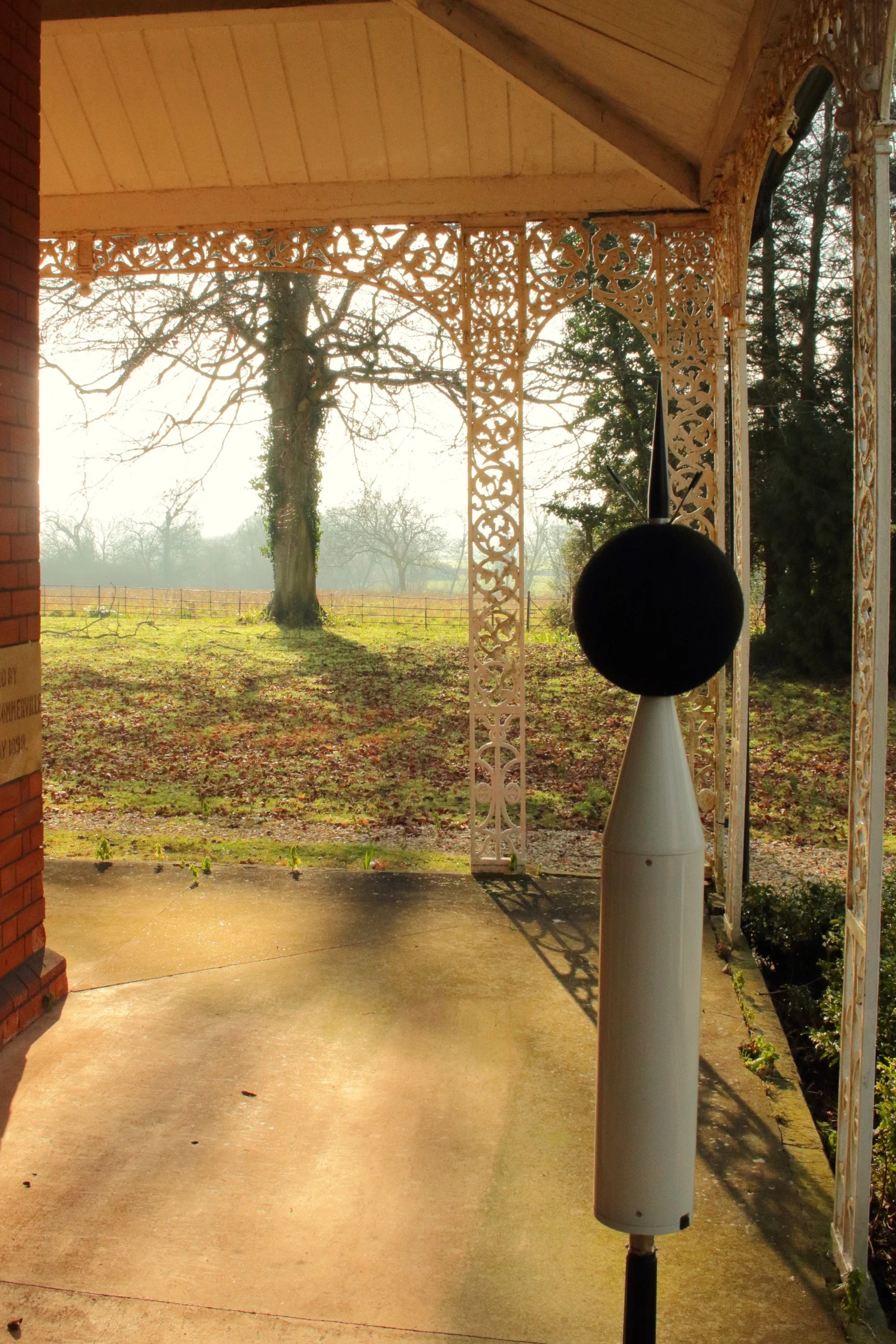
Some sites appear acoustically straightforward at first glance, but future infrastructure, cumulative transport noise and long-term planning considerations can significantly affect the required scope of assessment and level of acoustic risk.
You may need independent evidence where the noise is recurring but has not been witnessed by the council, where the source is disputed, or where you and your solicitor are considering further action. The investigation can be designed to identify and document the sound rather than relying only on personal descriptions or diary entries.
An independent investigation can establish:
where the sound comes from and whether it has been correctly attributed
when, how often and how long it occurs
its level and acoustic character
the difference between source-on and source-off conditions, including changes between outside and inside the affected property
whether it corresponds with operating records or reported events
whether practical mitigation is available
A diary and personal recordings can be useful for identifying dates, patterns and the nature of the complaint. However, ordinary telephone recordings do not normally provide reliable absolute sound-level measurements. They should be treated as supporting information rather than a substitute for a properly planned acoustic investigation.
The appropriate evidence depends on the question being asked. Evidence intended to support initial correspondence may be different from the evidence required by a solicitor, council or court.
Acoustic Evidence for Someone Responding to a Complaint
Independent advice may be appropriate when a complaint could lead to an abatement notice, legal correspondence, operating restrictions or substantial remedial work.
The investigation should not begin by assuming that the complaint is correct.
A property owner, landlord, commercial operator or other person receiving a complaint may need evidence showing:
whether the alleged noise comes from the property and coincides with its hours of operation
whether relevant equipment was running, or whether another source may have been mistaken for it
whether the reported acoustic character is consistent with the alleged source
whether the complaint concerns normal activity or an identifiable fault
whether proposed restrictions or remedial works are technically justified, and what proportionate mitigation is available
This can be particularly important where a complaint has been based on assumption, where several possible sources exist, or where significant expenditure or restrictions are being proposed without adequate technical evidence.
Operating logs, maintenance records, control settings, complaint correspondence and details of any changes made to the source should be retained.
Clear technical evidence can help the parties resolve the issue without litigation. If proceedings continue, it gives solicitors and the court a firmer technical basis.
Does a Noise Survey Decide Whether There Is a Nuisance?
No.
Measurements provide objective information, but nuisance is not determined by a sound level alone. The legal assessment also considers the circumstances in which the noise occurs and its effect on the use and enjoyment of the affected property.
An acoustic report can document the sound, identify its likely source, analyse its level and character, compare operating conditions, explain the local acoustic context and assess possible control measures. It provides an independent professional opinion, while the local authority or court makes the statutory or legal finding.
Information to Provide When Requesting an Assessment
For an existing noise complaint, useful information includes:
the address of the source and affected property
a description of the noise
the rooms or outside areas affected
the dates, times and duration
any diary, recordings or photographs
correspondence with the council, neighbour, landlord or operator
any notice, warning or legal correspondence already received
the outcome the investigation needs to support
For a commercial or mechanical source, also provide any available operating schedules, plant information, maintenance records, site plans and details of recent changes.
Where you are the subject of a complaint, send the complaint in its original form where possible. The wording may help identify exactly what is being alleged and what evidence is needed to test it.
Frequently Asked Questions
What time do you legally have to be quiet?
There is no general time at which all noise must stop. Noise can amount to a statutory nuisance during the day or night. The period between 11pm and 7am relates to additional warning-notice powers that councils may choose to operate.
Is any noise after 11pm illegal?
No. The time of night is relevant, particularly where sleep is disturbed, but noise does not automatically become unlawful at 11pm.
Will the council come out when I telephone?
Not necessarily. Councils determine their own service arrangements. Many will first require a diary or repeated reports, and some do not operate a routine overnight attendance service.
Does noise have to exceed a particular decibel level?
No universal decibel threshold determines statutory or private nuisance. Measurements can be important evidence, but they must be considered alongside timing, duration, frequency, character and local context.
What is an example of a possible statutory noise nuisance?
Repeated music, barking, mechanical plant or commercial activity that substantially and unreasonably interferes with the use of a neighbouring home could potentially meet the test. Whether it does so depends on the evidence and circumstances.
What should I do if I have received a noise complaint?
Retain the complaint, operating records and any relevant correspondence. Avoid assuming either that the complaint must be correct or that it can safely be ignored. An independent investigation can test the alleged source, timing and severity before expensive works or restrictive commitments are accepted.
Request an Independent Noise Investigation
Kimber Acoustics can assist where recurring noise has not been adequately identified or documented, where responsibility for a source is disputed, or where a complaint may lead to legal action, operating restrictions or substantial remedial work.
We can investigate on behalf of:
a person affected by recurring noise where the source or severity needs independent investigation;
a solicitor considering statutory or private nuisance proceedings;
a property owner, landlord or business responding to a complaint;
the recipient of a warning, abatement notice or legal correspondence.
Send us the site address, the original complaint or correspondence, the dates and times involved, details of the alleged source and the outcome the evidence needs to support. Robert Kimber, MIOA, will review the information and advise whether an acoustic investigation is likely to be useful and what scope would be proportionate.