

About
About Kimber Acoustics

Kimber Acoustics Ltd is a principal-led acoustic consultancy established in 2013 by Robert Kimber MIOA, who has been delivering professional noise and vibration consultancy services since 2005.
Kimber Acoustics provides clear, proportionate acoustic advice for straightforward planning and compliance work, with the technical experience to deal with more complex noise, vibration and building acoustics problems when they arise.
We support projects from early feasibility through planning, design, construction, testing and verification. Our work includes environmental noise assessment, planning noise reports, BS 4142 assessments, residential noise assessments, building services noise control, acoustic testing, vibration assessment, room acoustics and complaint investigation.
Projects receive direct senior input from Robert Kimber as Principal Consultant. This means advice is not passed through layers of staff or separated from the person responsible for the technical judgement. Clients receive clear advice, proportionate recommendations and reports that are written to support decision-making by project teams, planning authorities, Environmental Health officers and other regulators.
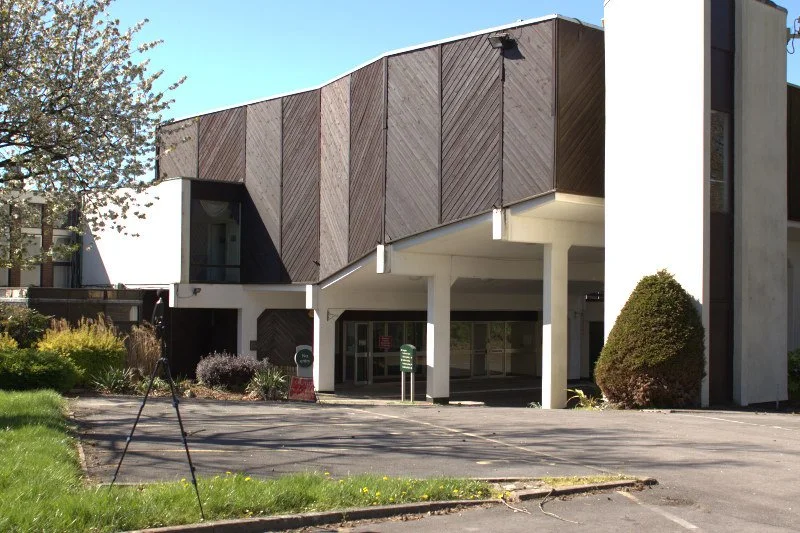
In Cardiff and South Wales, Robert Kimber has worked on residential, commercial and public-sector projects requiring environmental noise, plant noise and vibration assessment. This includes assessment of air source heat pump noise for multiple residential properties in Cardiff, including 24-hour operation close to property boundaries. At Brown Lennox Retail Park in South Wales, the work included noise survey and assessment to support a retail unit extension and garden centre use. At DWP Pontypridd, Robert Kimber carried out vibration survey work, investigation and data analysis to help determine the likely cause of occupant complaints.
In Devon and Somerset, project experience includes planning, design-stage acoustic advice and predictive assessment for residential and student accommodation schemes. At Bampfylde Street in Exeter, Robert Kimber carried out noise survey and assessment to support a planning application for student accommodation adjacent to a nightclub. An acoustic requirements document was also produced at design stage so that the client’s acoustic design aims were clearly communicated to the design and build contractor.
At Butts Batch in Wrington, Somerset, the work included noise survey and predictive modelling to account for consented but not yet constructed solar transformer equipment, peak summer air traffic from the nearby Bristol Airport flight path, and air source heat pump noise affecting both existing and proposed dwellings.
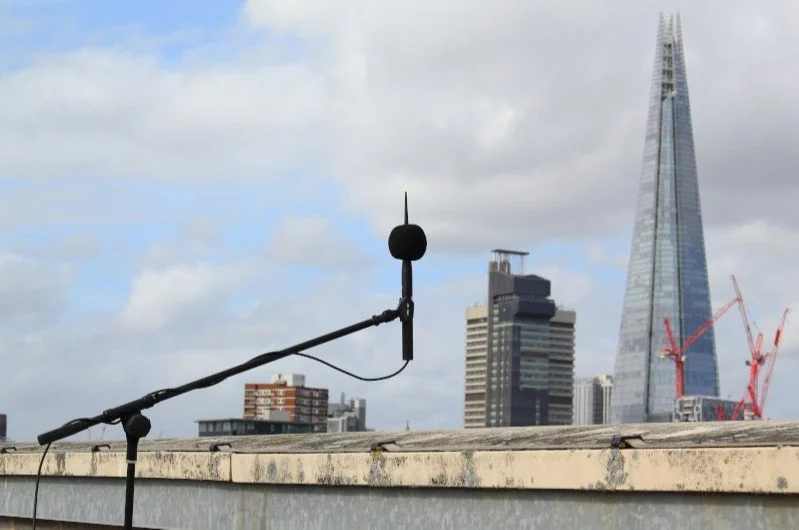
In London, Robert Kimber has worked on complex change of use, conversion and mixed-use projects requiring coordinated acoustic advice across planning, design and construction stages. At Praed Street in Westminster, the work included condition discharge, design and construction-stage advice for multiple noise and vibration requirements on an ambitious change of use from educational use to mixed retail, bakery and hotel use across five storeys. The acoustic advice covered road traffic noise intrusion, building services vibration transmission, building services noise emissions, internal sound insulation and party wall performance.
Further London project experience includes Dancastle Court in the London Borough of Barnet, where office buildings were converted to flats and required assessment against stringent internal noise limits, including environmental noise and noise transfer from retained office units, together with noise emission limits for proposed ventilation and heating equipment. At Hayes Park in the London Borough of Hillingdon, Robert Kimber carried out noise and vibration surveys and assessment for the conversion of two iconic listed office buildings to form 126 flats. The planning-stage assessments considered standard guidance and additional local authority requirements, including noise emissions, noise intrusion from road and military air traffic, and internal noise conditions during overheating mitigation.
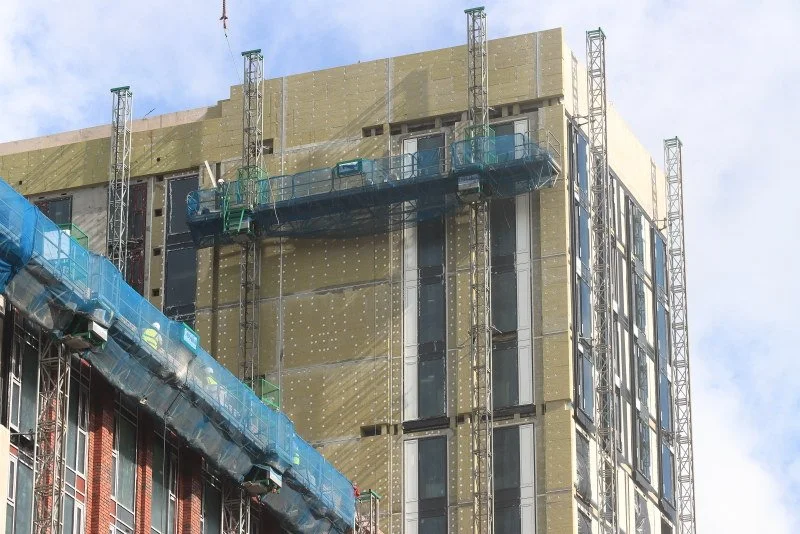
This experience covers a wide range of local authority areas, planning contexts and Environmental Health requirements, from city-centre mixed-use schemes and office-to-residential conversions to rural residential development, retail expansion, plant replacement and complaint investigation. The work has required acoustic advice that is not only technically correct, but also clear enough to support planning submissions, condition discharge, design coordination and regulatory review.
We work across the built environment, supporting architects, developers, planning consultants, contractors, local authorities, healthcare providers, education clients, industrial operators and commercial occupiers. Our experience includes residential development, commercial and mixed-use schemes, healthcare buildings, education projects, industrial sites, building services noise, entertainment noise, acoustic testing and vibration investigation.
Kimber Acoustics uses specialist acoustic survey and measurement equipment, including Class 1 sound level measurement systems, acoustic calibrators, environmental monitoring equipment and vibration measurement equipment. We also use predictive modelling and practical site assessment where this is required to understand noise, vibration or building acoustics issues.
Our advice is intended to be technically defensible, practical to implement and clear enough for non-specialist project teams to use.
For project enquiries, please contact Kimber Acoustics via the contact page, by calling 07925 455472, or by emailing info@kimberacoustics.co.uk
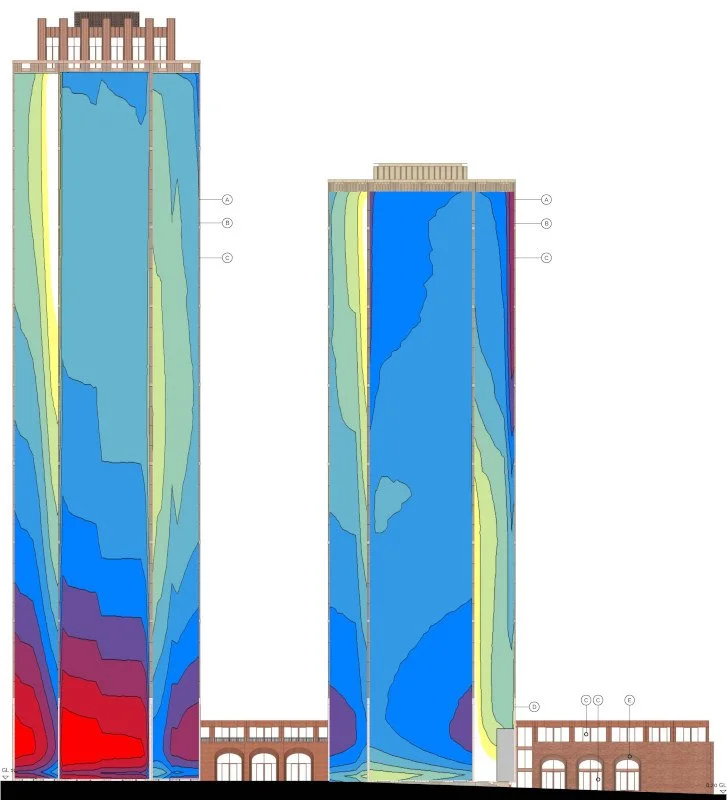
Kimber Acoustics has worked with a wide range of clients, consultants and project teams across the built environment, including developers, contractors, architects, planning consultants, public bodies, healthcare providers, education clients, commercial operators, community organisations, events teams and specialist occupiers.
Our experience includes work with developers, property clients and project managers, including CBRE, Eagle One, Telford Homes, Tri Capital Corporation, Watercrown, Madlins, Woodstock Homes, Fusion Student Accommodation, Workman LLP, Savills, Alder King, Iceni Projects and Ventol.
We have supported contractors, housebuilders and construction teams, including Kier, Mace, BAM Construction, Midas Construction, Vascroft Contractors, Prelon Construction, Inigo Contracting, Keepmoat Regeneration, Cranberry Construction and CField Construction.
Our work with architects, planning consultants, engineering consultants and design teams includes projects involving HTA Design LLP, Hawkins Associates, Cryer & Co Architects, Stride Treglown Architects, Keystone Planning, Hydrock, Halcrow and Hulley & Kirkwood.
We have also worked on projects for healthcare, education, public-sector and community clients, including North Bristol NHS Trust, The Hospital Company at Southmead, Cardiff University, the Department for Work and Pensions, The Little Day School, United Communities, Worcester Community Trust, Full Circle Community Centre and Westbury Baptist Church.
Our project experience includes commercial, retail, leisure, cultural, events and specialist occupier projects, including Sainsbury’s, Tesco, B&M Stores, Co-op Funeralcare, Dark Arts coffee roasters, Bimble Inn Festivals, Boomtown Festivals, AFLive events production team, Wake The Tiger events production team, Clifton Observatory, and Somethin’ Else Studios.
Clients and Project Teams We Have Worked With










How we work
Technical integrity
We provide advice that is evidence-led, proportionate and grounded in recognised guidance, measured data and real-world project constraints. Our conclusions are based on what can be justified, built and verified in practice.
Independence and transparency
Our recommendations are based on the acoustic requirements of the project. Where product advice or product supply is relevant, this is made clear so that consultancy advice, design judgement and product selection remain transparent.
Practical delivery
We focus on acoustic solutions that can be implemented on site and coordinated with other disciplines. This helps reduce the risk of late-stage redesign, planning delay, construction issues or post-completion dispute.
Lifecycle perspective
Acoustic performance is not secured by report sign-off alone. We consider how projects move from planning to design, construction, occupation and long-term use, including the risk of complaint, enforcement or costly remedial work after completion.
Clear communication
We explain complex acoustic issues in clear terms, setting out assumptions, limitations, risks and conclusions so that decisions can be understood and defended by project teams, clients and regulators.
Direct senior input
Projects receive direct input from Robert Kimber MIOA as Principal Consultant. This supports consistency between the survey work, technical judgement, reporting and client advice.